
Planning a trip to New York can feel exciting and overwhelming, especially when every season offers something completely different. From cherry blossoms in spring to snow-dusted city streets in winter, the best time to visit New York really depends on what kind of experience you’re aiming for. At Flight Bookings Today, we help travelers match the right season with the right trip, whether that means cultural sightseeing in Manhattan, apple picking upstate, or festival hopping. This seasonal guide breaks down what New York is like throughout the year, including weather conditions, crowd levels, major events, and the best things to do around the whole state so you can plan your trip your way.
What Makes Spring in New York Such a Great First Impression?
Spring in New York runs from March through May and is often considered one of the most pleasant times to visit. Temperatures gradually warm from the high 40s°F (around 9°C) in March to the mid-60s°F (about 18°C) by May. Rain showers are common, but parks and gardens start coming back to life.
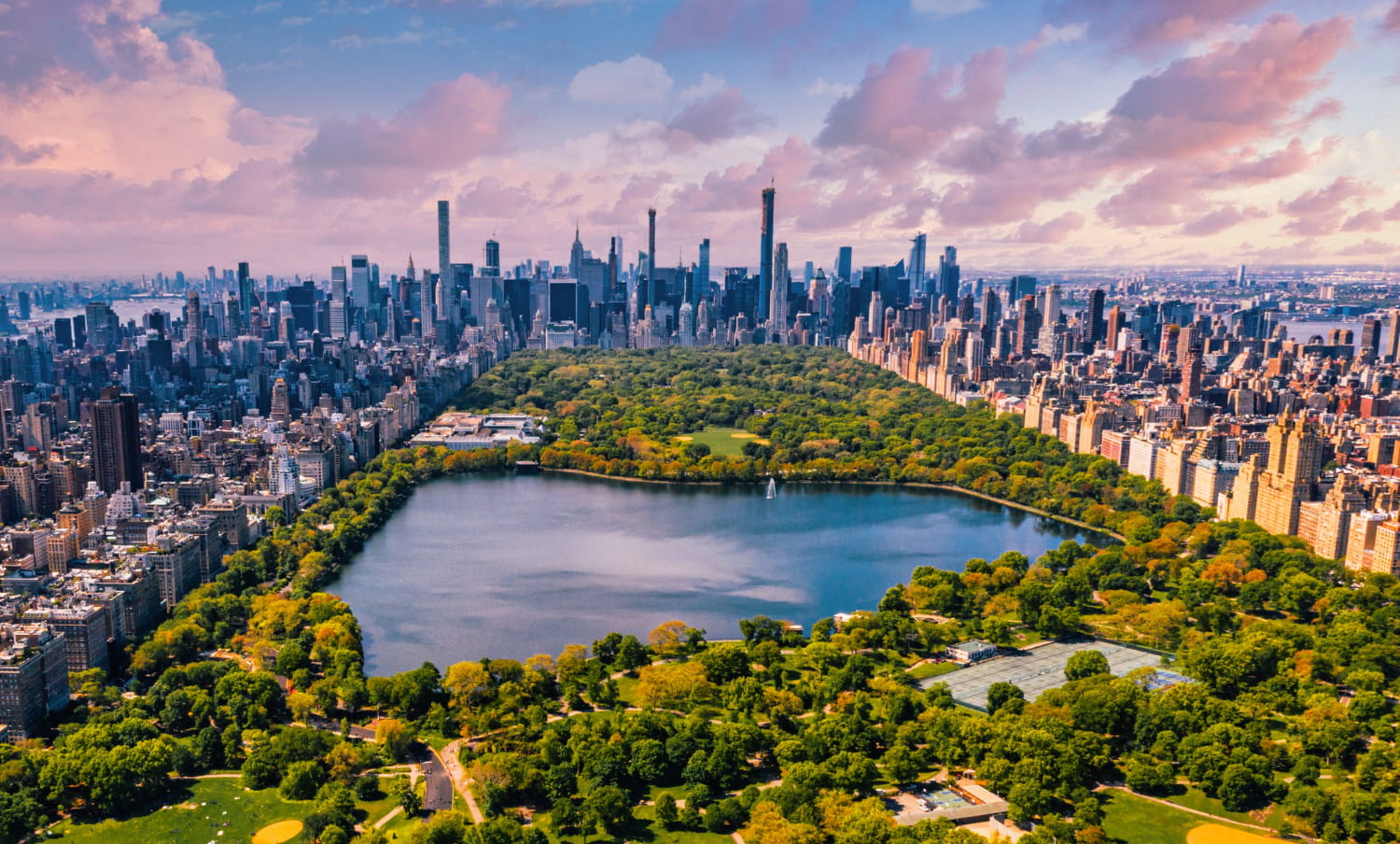
Crowds during spring are moderate. March tends to be quieter, while April and May see a noticeable increase due to school breaks and popular events. In New York City, Central Park and the Brooklyn Botanic Garden are major highlights thanks to cherry blossoms and fresh greenery. Museums such as The Metropolitan Museum of Art, MoMA, and the American Museum of Natural History are great additions to explore before peak summer crowds arrive.
The Hudson Valley especially shines during spring because of blooming orchards, riverside towns, and historic estates along with wineries that just begin to reopen their tasting rooms for the season. At the same time, hiking trails gradually reopen as snow melts, offering early-season hikes, flowing streams and waterfalls with the benefit of fewer crowds than the peak summer months. Waterfalls at places like Watkins Glen and Letchworth State Park are incredible to visit during this season.
While traditional apple picking doesn’t begin until late summer and autumn, several pick-your-own farms do open in spring for early harvests such as strawberries, rhubarb, flowers, and greenhouse-grown produce. Farms like Masker Orchards, Lawrence Farms Orchards, and Harbes Farm often open their grounds for spring activities and early picking events, offering a quieter, less crowded farm experience compared to autumn.
Food-wise, spring is a great time for seasonal menus at farm-to-table restaurants across the state, as well as classic New York City staples like brunch spots and rooftop cafés reopening for the season.
Does Summer Deliver the Ultimate NYC Experience or Just the Biggest Crowds?
Summer, from June through August, is New York’s busiest season. Temperatures range from the mid-70s°F (around 24°C) to high 80s°F (about 31°C), with occasional heatwaves pushing higher. Humidity can be intense in the city, while upstate areas tend to feel slightly cooler, especially in mountainous regions. This makes for great hiking conditions to the variety of waterfalls that upstate New York has to offer where if you’re adventurous enough, you can enjoy a mid-day dip.
Tourist season is at its peak particularly in July and August, meaning crowds are at their highest and prices tend to rise. That said, summer energy is unmatched. In New York City, outdoor events dominate including Shakespeare in the Park, free concerts, street fairs, and waterfront activities along the Hudson and East Rivers. Neighborhoods like Williamsburg, Harlem, and SoHo are ideal for food lovers, with endless options ranging from food halls and rooftop bars to Michelin-starred restaurants.
Upstate New York becomes a playground for outdoor lovers. The Finger Lakes are popular for boating, wine tasting, and lakefront dining. The Adirondacks offer hiking, kayaking, and camping, while Saratoga Springs hosts its famous horse racing season and summer performing arts festivals. Summer is ideal for travelers who want a high-energy atmosphere and don’t mind crowds.
Why Do So Many Travelers Say Autumn Is the Best Time to Visit New York?
Autumn is often considered the best time to visit New York, especially from late September through October. Temperatures are comfortable, typically ranging from the mid-50s°F (around 13°C) to low 70s°F (about 21°C), and humidity drops significantly. The weather is crisp and ideal for walking-heavy itineraries. Crowds remain steady but more manageable than summer, except during peak foliage weeks where popular areas such as Central Park and scenic upstate towns see a noticeable increase in visitors drawn by vibrant colors and seasonal events. New York City feels particularly special at this time of year, with cultural events, Broadway season in full swing, and seasonal food menus but upstate New York is the real star of the season.
This time of year is ideal for anything outdoors. Long Island’s North Fork, the Finger Lakes region, and areas around Lake George offer some of the best fall foliage in the country. It is also one of the best times of year for kayaking. Black River in the Tug Hill region with forested banks, and quiet, scenic routes, Chautauqua Lake in western New York offers wide open water and shoreline views, and Lake Placid surrounded by High Peaks scenery offers crystal-clear water and beautiful peaceful mountain views. Long Island’s Peconic Bay and the North Fork coastline are ideal for coastal kayaking, while quieter stretches of the Adirondack lakes and the Ausable and Saranac Rivers provide a more remote experience. The cooler temperatures make paddling more comfortable, water levels are often more stable than in spring, and reduced boat traffic creates a calmer, more peaceful experience on the water.
Beyond kayaking, autumn feels especially cozy because the entire pace of travel slows down. Hiking trails are at their most scenic, small towns come alive with harvest festivals, farmers markets, and local events that feel warm and welcoming rather than crowded. Apple picking is in full swing, filling orchards with the scent of fresh cider and baked goods, while wineries and cider tours reach their peak, offering tastings beside crackling fire pits and relaxed vineyard views that make you never want to leave.
Could Winter Be New York’s Most Underrated Season?
Winter in New York lasts from December through February and brings temperatures typically ranging from the mid-20s°F (around −4°C) to low 40s°F (about 4°C). Snowfall varies year to year, but when it arrives, it transforms the city and countryside into a classic winter scene. Tourist crowds are at their lowest in winter, except during the holiday season in December.
New York City is famous for its festive atmosphere, including holiday markets, ice-skating at Rockefeller Center and Bryant Park, and iconic department store shopping. Beyond the major museums, winter is a great time to explore Broadway and off-Broadway shows, jazz clubs, and live music venues. Visitors often enjoy food-focused experiences such as guided food tours, cooking classes, and long meals in classic New York restaurants. Indoor markets, historic libraries, galleries, and cultural centers also offer a warm, immersive way to experience the city, becoming the ideal time for travelers who are more focused on the culture rather than strictly sight-seeing.
Upstate New York becomes a true winter sports destination, especially once consistent snowfall arrives. The Adirondacks and Catskills offer a mix of downhill skiing, snowboarding, snowshoeing, and cross-country trails, along with classic cozy lodge stays that feel especially inviting after a day in the cold. Popular ski areas include Whiteface Mountain near Lake Placid, Gore Mountain in the Adirondacks with varied terrain for all skill levels, and Hunter Mountain in the Catskills. Smaller towns embrace winter festivals and seasonal dining, creating a quieter, more relaxed travel experience. For budget-conscious travelers, winter often provides better flight and hotel deals.
When Are Crowds Highest and Lowest in New York?
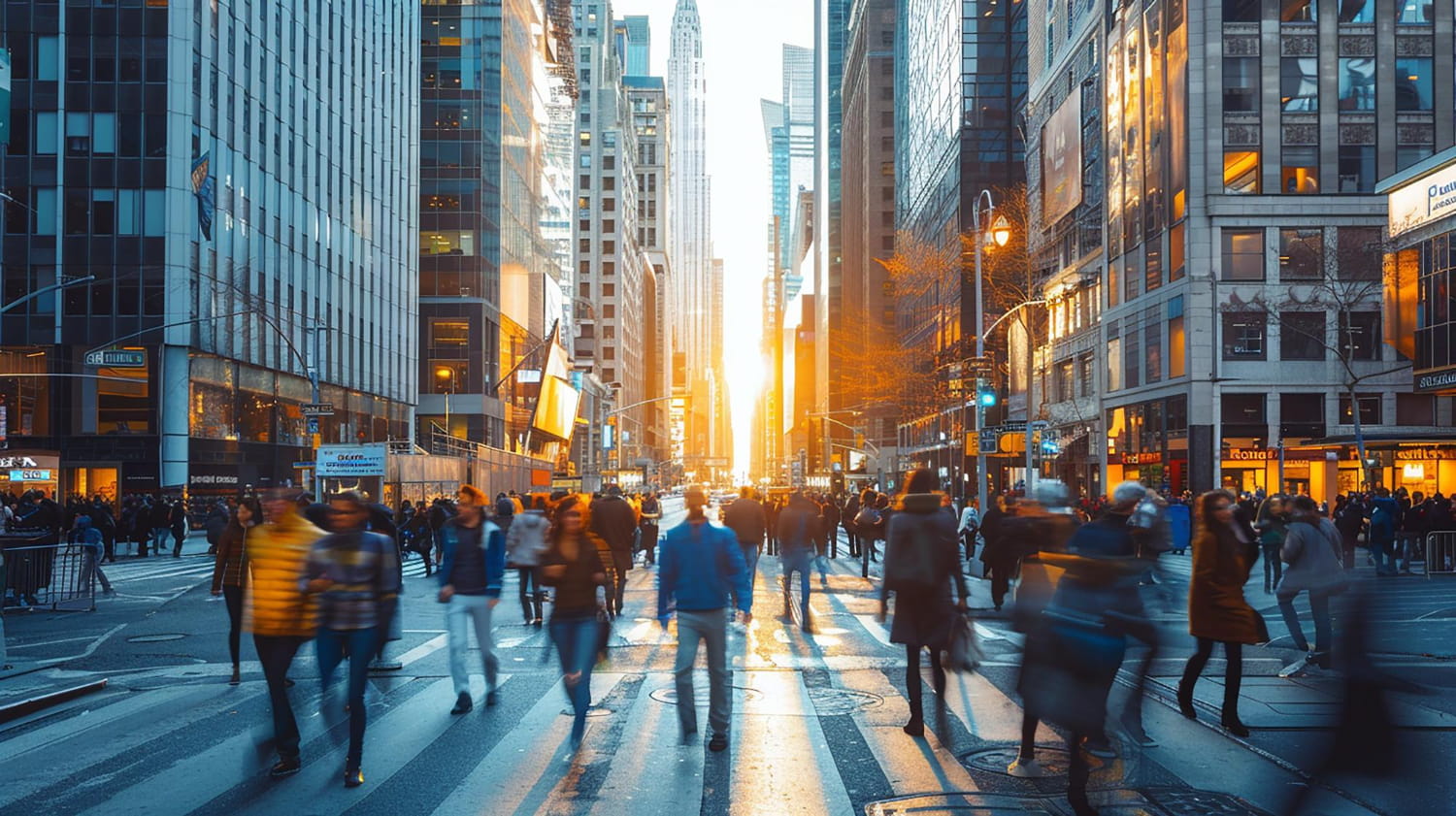
Understanding crowd levels is key to choosing the best time to visit New York. Summer sees the highest volume of tourists, especially in New York City and popular upstate destinations. Autumn brings steady but manageable crowds, particularly during foliage season. Spring sits in the middle, with increasing visitors as the weather improves. Winter generally has the lowest crowd levels, aside from late December, making it appealing for travelers who prefer a quieter experience.
Which Season Is Best for Food, Culture, and Outdoor Activities?
Each season highlights a different side of New York and can depend greatly on your preference! Spring and autumn are ideal for sightseeing, walking tours, harvest and dining experiences, Summer is best for festivals and lake or mountain trips upstate to escape the heat, and Winter is perfect for museums, theater, holiday celebrations, and winter sports in the northern regions. Food lovers will find seasonal specialties year-round, from summer street vendors and rooftop dining to fall harvest menus and winter comfort foods.
So, What Is the Best Time to Visit New York for You?
.The best time to visit New York ultimately depends on your travel goals. Whether you’re drawn to the vibes of summer festivals, vibrant autumn landscapes, or quiet winter museum days, there’s no wrong season to explore the state. At FlightBookingsToday, we find the right flights and travel timing to match your plans. Get in touch with us and let us help you plan a New York getaway that fits your schedule, interests, and budget perfectly.
